If you’re looking to transform the look and feel of your kitchen, a kitchen extension may be just the thing you need. A kitchen extension is a great way to add more space, natural light, and a modern look to your kitchen. This article explores the benefits of a kitchen extension, ideas for different styles and budgets, tips for designing a kitchen extension, requirements for a kitchen extension, and a timeline for installing one.
What is a kitchen extension?
An extension is an extension of your existing kitchen space. It can be either a single-storey or double-storey structure, depending on the size and design of your existing kitchen. Kitchen extensions are typically built using brick, stone, or timber and can be designed to fit in with the existing architecture of your home. They are a great way to add extra space and light to your kitchen without having to move or knock down walls.

The most common type of extension is a single-storey extension, which is usually a single room or area that is attached to the side or end of the existing kitchen. This type of extension is relatively simple to build and can be tailored to fit in with the overall style and architecture of your home.
A double-storey kitchen extension is more complex to build and is usually used for larger kitchen spaces. It is essentially two storeys of space, with the upper storey being used for storage and the lower storey being used for living space. This type of extension is perfect for larger kitchens, as it provides plenty of storage and living space.
Benefits of an extension
An extension can provide a number of benefits to your home. The most obvious benefit is extra space. If you have a small kitchen, an extension can provide additional space for dining, cooking, entertaining, and even storage.
Another benefit of an extension is that it can provide additional natural light to your existing kitchen. An extension will usually have larger windows and doors, allowing natural light to flood into the space. This can make your kitchen feel brighter and more inviting.
Finally, an extension can provide a modern and stylish look to your existing kitchen. Depending on the design and materials used, an extension can completely transform the look and feel of your kitchen, making it feel more spacious and contemporary.
Kitchen extension ideas for different styles and budgets
When it comes to extensions, there are plenty of ideas to choose from. Whether you are looking for a traditional or modern look, there is an extension design to suit your style and budget.
If you are looking for a traditional extension, you could opt for a brick or stone structure. This type of design is timeless and will blend in perfectly with the existing architecture of your home. You could also opt for timber cladding, which is a great way to add a more rustic feel to your kitchen. Engineered wood flooring is a great shout for flooring that needs to be within a tighter budget – and it is going to be durable and long-lasting.
If you are looking for a more modern extension, you could choose a glass structure. Glass structures are perfect for adding an open and airy feel to your kitchen, and can provide plenty of natural light. Alternatively, you could opt for a steel and concrete structure, which can add a sleek, industrial feel to your kitchen.
No matter what your budget is, there is a extension design to suit your needs. From budget-friendly designs to more elaborate designs, there is something to suit every style and budget.
Tips for designing a kitchen extension
When it comes to designing anextension, there are a few things to keep in mind. Firstly, consider the size and shape of your existing kitchen. You will need to factor in the size of the kitchen extension so that it fits in with the existing kitchen space.
Secondly, consider the type of materials you want to use. This will depend on the overall look and feel you are trying to achieve. Brick, stone, timber, glass, and steel are all popular materials for kitchen extensions.
Finally, consider the layout of the kitchen extension. This will depend on the size and shape of your existing kitchen, as well as the type of materials you are using. You may need to factor in additional space for seating, storage, and appliances.
Requirements for a kitchen extension
Before you start planning your extension, there are a few things you will need to take into account. Firstly, you will need to make sure that your plans comply with the local building regulations. This includes getting the necessary planning permission from your local authority.
You will also need to make sure that the proposed extension does not affect the structural integrity of your existing home. If the proposed extension is too close to the property boundary, you may need to apply for a Party Wall Agreement. Finally, you will need to ensure that the proposed extension is connected to the existing kitchen. This may include connecting the kitchen extension to existing plumbing and electrical systems.

Timeline for installing an extension
Once your plans are approved, you can start to plan the installation of your kitchen extension. The timeline for installing a kitchen extension is usually around 8-12 weeks, depending on the size and complexity of the project.
The first step is to prepare the site. This includes clearing the area and laying a foundation for the kitchen extension. Once the foundation is laid, the walls and roof of the kitchen extension can be built. This usually takes around 4 weeks.
Once the walls and roof are built, the internal fixtures and fittings can be installed. This includes plumbing, electrics, and any other necessary fixtures. This usually takes around 2-4 weeks.
Finally, the kitchen extension can be decorated and furnished. This includes painting, installing flooring, and fitting any cabinets or shelves. This usually takes around 2-4 weeks.
An extension is a great way to transform the look and feel of your kitchen. Not only does it provide extra space and natural light, but it can also give your kitchen a modern and stylish look.
When designing anextension, it is important to consider the size and shape of your existing kitchen, the type of materials you want to use, and the layout of the kitchen extension. You also need to ensure that your plans comply with local building regulations and that the proposed kitchen extension does not affect the structural integrity of your existing home.
The timeline for installing an extension is usually around 8-12 weeks, depending on the size and complexity of the project.
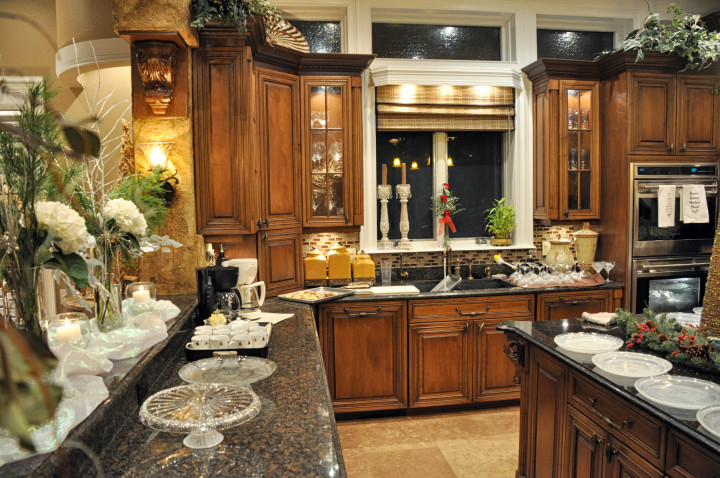
If you are looking to transform the look and feel of your kitchen, an extension may be just the thing you need. So, why not start planning your kitchen extension today?
*Collaborative post