Over the years, I have experimented with various DIY face masks and have witnessed a significant improvement in the overall health and appearance of my skin. In this article, I will share with you the secret to radiant skin through DIY face masks.
Benefits of using DIY face masks
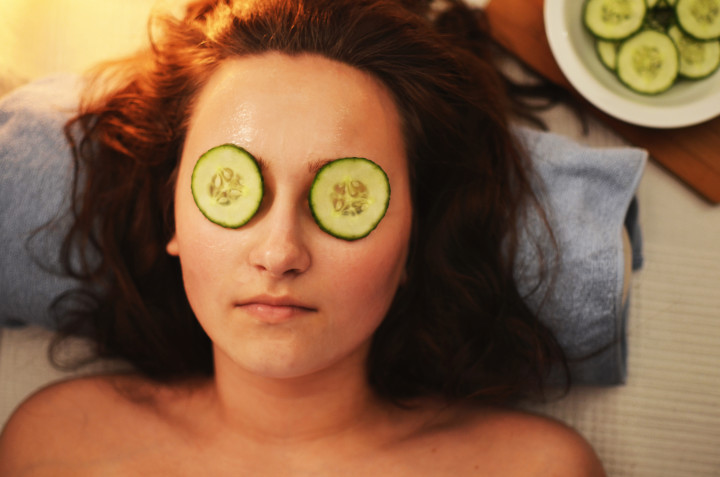
DIY face masks offer numerous benefits for the skin. Firstly, they are made from natural ingredients that are gentle on the skin and free from harmful chemicals. This makes them an excellent option for people with sensitive skin or those who are allergic to commercial products. Secondly, DIY face masks are customizable to your skin type, which ensures that you are using ingredients that are suitable for your skin’s needs. Thirdly, DIY face masks are cost-effective and can be made with ingredients that are readily available in your kitchen.
Another benefit of DIY face masks is that they offer a relaxing and pampering experience. Applying a face mask can be a therapeutic way to unwind after a long day, and the natural ingredients can provide a rejuvenating effect on the skin.
Understanding your skin type
Before creating a DIY face mask, it is essential to understand your skin type. This is because different skin types require different ingredients to achieve optimal results. There are four main skin types: dry, oily, combination, and sensitive.
Dry skin is characterized by a lack of moisture and can be flaky and rough to the touch. Oily skin produces excess sebum, which can result in a shiny appearance and clogged pores. Combination skin is a mix of both dry and oily skin, where the T-zone (forehead, nose, and chin) is oily, and the cheeks are dry. Sensitive skin is easily irritated and can be prone to redness, itching, and inflammation.
Ingredients to use in DIY face masks
The key to creating effective DIY face masks is to use ingredients that are beneficial for your skin type. Here are some common ingredients and their benefits:
- Honey: has antibacterial properties and helps to hydrate and soothe the skin.
- Yoghurt: contains lactic acid, which helps to exfoliate and brighten the skin.
- Avocado: rich in antioxidants and healthy fats, which help to nourish and moisturize the skin.
- Oatmeal: has anti-inflammatory properties and can help to soothe irritated skin.
- Lemon juice: contains vitamin C, which helps to brighten the skin and reduce the appearance of dark spots.

DIY face mask recipes for dry skin
If you have dry skin, you should look for ingredients that are hydrating and moisturizing. Here are some DIY face mask recipes that are suitable for dry skin:
Honey and Avocado Face Mask
- 1/2 ripe avocado
- 2 tablespoons of honey
Instructions:
- Mash the avocado in a bowl until it is smooth.
- Add the honey and mix well.
- Apply the mixture to your face and leave it on for 15-20 minutes.
- Rinse off with warm water.
Oatmeal and Yogurt Face Mask
- 1/4 cup of plain yogurt
- 1/4 cup of oatmeal
Instructions:
- Mix the yogurt and oatmeal together in a bowl.
- Apply the mixture to your face and leave it on for 15-20 minutes.
- Rinse off with warm water.
DIY face mask recipes for oily skin
If you have oily skin, you should look for ingredients that help to control oil production and unclog pores. Here are some DIY face mask recipes that are suitable for oily skin:
Lemon and Honey Face Mask
- 1 tablespoon of lemon juice
- 1 tablespoon of honey
Instructions:
- Mix the lemon juice and honey together in a bowl.
- Apply the mixture to your face and leave it on for 15-20 minutes.
- Rinse off with warm water.
Egg White and Yogurt Face Mask
- 1 egg white
- 1 tablespoon of plain yogurt
Instructions:
- Beat the egg white until it becomes frothy.
- Add the yogurt and mix well.
- Apply the mixture to your face and leave it on for 15-20 minutes.
- Rinse off with warm water.
DIY face mask recipes for combination skin
If you have combination skin, you should look for ingredients that balance oil production and provide hydration to dry areas. Here are some DIY face mask recipes that are suitable for combination skin:
Banana and Honey Face Mask
- 1/2 ripe banana
- 1 tablespoon of honey
Instructions:
- Mash the banana in a bowl until it is smooth.
- Add the honey and mix well.
- Apply the mixture to your face and leave it on for 15-20 minutes.
- Rinse off with warm water.
Aloe Vera and Yogurt Face Mask
- 1 tablespoon of aloe vera gel
- 1 tablespoon of plain yoghurt
Instructions:
- Mix the aloe vera gel and yoghurt together in a bowl.
- Apply the mixture to your face and leave it on for 15-20 minutes.
- Rinse off with warm water.

DIY face mask recipes for sensitive skin
If you have sensitive skin, you should look for ingredients that are gentle and soothing. Here are some DIY face mask recipes that are suitable for sensitive skin:
Oatmeal and Honey Face Mask
- 1/2 cup of oatmeal
- 1/4 cup of honey
Instructions:
- Blend the oatmeal in a blender until it becomes a fine powder.
- Mix the oatmeal powder and honey together in a bowl.
- Apply the mixture to your face and leave it on for 15-20 minutes.
- Rinse off with warm water.
Cucumber and Yogurt Face Mask
- 1/2 cucumber
- 1 tablespoon of plain yoghurt
Instructions:
- Blend the cucumber in a blender until it becomes a smooth paste.
- Add the yoghurt and mix well.
- Apply the mixture to your face and leave it on for 15-20 minutes.
- Rinse off with warm water.
Applying and removing DIY face masks
When applying a DIY face mask, it is essential to start with clean, dry skin. Use a gentle cleanser to remove any dirt or makeup before applying the face mask. Apply the mask evenly to your face, avoiding the eye area and lips. Leave the mask on for the recommended time, usually 15-20 minutes. To remove the mask, rinse your face with warm water and pat dry with a clean towel.
Precautions to take when using DIY face masks
While DIY face masks are generally safe to use, there are some precautions that you should take to avoid skin irritation or allergic reactions. Always do a patch test before applying a new mask to your face. This involves applying a small amount of the mask to a small area of your skin, such as the inside of your wrist, and waiting 24 hours to see if you have any adverse reactions. If you experience any redness, itching, or inflammation, do not use the mask.
It is also essential to use high-quality ingredients when making DIY face masks. If you are using essential oils, make sure they are diluted and suitable for topical use. Avoid using ingredients that are known to be irritating to the skin, such as baking soda or lemon juice, in high concentrations.
DIY face masks are an excellent way to achieve radiant, healthy-looking skin. By understanding your skin type and using ingredients that are beneficial for your skin’s needs, you can create customized face masks that provide a range of benefits. Whether you have dry, oily, combination, or sensitive skin, there is a DIY face mask recipe that is perfect for you. So, why not give it a try and unlock the secret to radiant skin today?