Teaching Your Child to Be More Environmentally Conscious – In a world where environmental issues are increasingly pressing, instilling eco-consciousness in children is crucial for fostering a sustainable future. Teaching children to care for the environment isn’t just about understanding its importance; it’s about nurturing a sense of responsibility and respect for the planet. Here are some effective tips for parents aiming to raise environmentally conscious children.
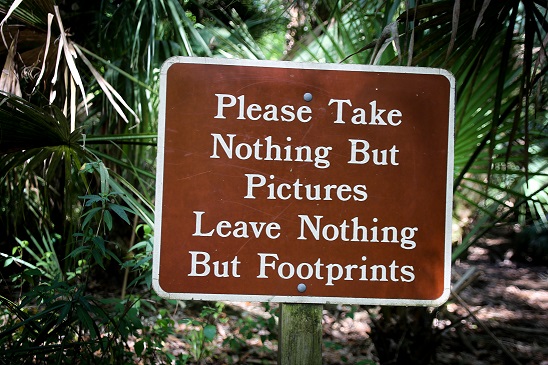
Tips for Teaching Your Child to Be More Environmentally Conscious
1. Lead by Example
Children learn through observation. Model eco-friendly behaviours in your daily life by reducing waste, recycling, conserving energy, and making environmentally conscious choices. Your actions will speak volumes and set a powerful example for your child.
2. Educate and Inform
Start conversations about environmental issues in an age-appropriate manner. Explain the importance of conserving resources, reducing pollution, and protecting wildlife. Use books, documentaries, and age-appropriate articles to facilitate learning about environmental topics.
3. Connect with Nature
Encourage outdoor activities that foster a connection with nature. Go for nature walks, visit parks, plant trees or a garden, and observe wildlife. Building a relationship with nature nurtures appreciation and understanding.

4. Practice Reduce, Reuse, Recycle
Teach your child the importance of the three Rs – Reduce, Reuse, Recycle. Involve them in sorting recyclables, reducing single-use plastics, and repurposing items at home. Engage in creative DIY projects that emphasise reuse and recycling.
5. Mindful Consumption
Encourage mindful shopping habits. Discuss the environmental impact of consumer choices and teach your child about sustainable products, such as opting for eco-friendly packaging or choosing products made from recycled materials.
6. Conservation Efforts
Participate in conservation activities as a family. Volunteer for local clean-up events, join community gardening projects, or support environmental organisations. Involve your child in these initiatives to instil a sense of responsibility towards their community and the planet.
7. Water and Energy Conservation
Teach your child about the importance of conserving water and energy. Involve them in turning off lights when not in use, conserving water during activities like brushing teeth, and using energy-efficient appliances.
8. Encourage Critical Thinking
Empower your child to think critically about environmental issues. Encourage them to ask questions, research, and form their opinions. Discuss solutions and brainstorm ideas together to tackle environmental challenges.
9. Emphasise the Impact of Individual Actions
Explain to your child that even small actions have a significant impact. Illustrate how their choices – from using less plastic to planting trees – contribute positively to the environment.
10. Celebrate Progress and Achievements
Acknowledge and celebrate your child’s efforts in adopting eco-friendly practices. Positive reinforcement reinforces the importance of their actions and encourages further engagement.

Tips for Teaching Your Child to Be More Environmentally Conscious
The best girls school in London says that teaching children to be environmentally conscious is an investment in a sustainable future. By fostering a love and respect for the environment, parents play a pivotal role in shaping environmentally responsible individuals. These tips, combined with patience, guidance, and consistent encouragement, can inspire children to become stewards of the planet, contributing to a healthier and more sustainable world for generations to come.
*Collaborative post