Teaching Your Child To Respect Other Cultures – In an increasingly interconnected world, teaching your child to respect other cultures is more important than ever. Cultural respect fosters understanding, tolerance, and a broader worldview, which are essential qualities for personal and societal growth. Here are some practical tips for teaching your child to respect and appreciate other cultures.
Lead by Example
Children learn a great deal from observing their parents. Demonstrate cultural respect in your interactions and discussions. Show interest in and appreciation for different cultures, whether through travel, dining, or conversations with diverse individuals. Your actions and attitudes set a powerful example for your child to follow.
Encourage Curiosity and Open-Mindedness
Cultivate a sense of curiosity and open-mindedness in your child. Encourage them to ask questions and seek knowledge about different cultures. Create an environment where they feel comfortable exploring and learning about the world around them. Emphasise the value of diversity and the richness it brings to our lives.

Introduce Multicultural Books and Media
Books, movies, and TV shows are excellent tools for exposing your child to different cultures. Choose multicultural books and media that accurately and respectfully represent various traditions, languages, and lifestyles. Discuss the stories and characters, and encourage your child to think about the similarities and differences between cultures.
Celebrate Cultural Holidays and Traditions
Celebrate cultural holidays and traditions from around the world. Participate in local cultural festivals, try cooking traditional meals, and learn about the history and significance of different celebrations. These activities provide hands-on experiences and make learning about other cultures enjoyable and memorable.
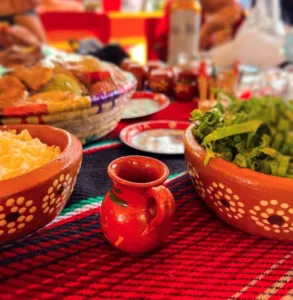
Learn a New Language Together
Learning a new language can be a fun and educational way to explore another culture, and is something this boys prep school in Surrey strives to achieve in their learning. Choose a language that interests your child and embark on the learning journey together. Use language learning apps, watch foreign films with subtitles, and practice speaking with native speakers if possible. Understanding another language can deepen your child’s appreciation for that culture.
Promote Empathy and Understanding
Teach your child the importance of empathy and understanding. Help them see the world from different perspectives and appreciate the experiences of others. Discuss global issues and challenges faced by different communities. Encourage your child to think about how they can contribute to a more inclusive and respectful world.
Visit Cultural Museums and Exhibits
Take your child to cultural museums and exhibits. These spaces offer immersive experiences and valuable insights into different cultures. Many museums have interactive exhibits and educational programs designed for children. Use these visits as opportunities to discuss what you’ve learned and how it relates to the broader world.
Encourage Friendships with Diverse Peers
Encourage your child to build friendships with peers from diverse backgrounds. These relationships provide firsthand experiences and foster mutual respect and understanding. Support their involvement in diverse social and extracurricular activities, where they can interact with children from various cultural backgrounds.
Teach About Cultural Stereotypes and Biases
Have open conversations about cultural stereotypes and biases. Explain how these misconceptions can harm individuals and communities. Teach your child to recognise and challenge stereotypes, and encourage them to form their own opinions based on knowledge and experience rather than assumptions.

Highlight Shared Human Values
Emphasise the shared values that connect all cultures, such as kindness, respect, and family. Help your child understand that while cultural practices and traditions may vary, the fundamental human values remain the same. This perspective fosters a sense of common humanity and reduces feelings of otherness.
Teaching your child to respect other cultures is a lifelong journey that enriches their understanding of the world. By leading by example, encouraging curiosity, and providing diverse learning experiences, you can help your child develop a deep appreciation for cultural diversity. This respect for others will not only make them more compassionate and open-minded individuals but also contribute to a more inclusive and harmonious society. Your efforts in nurturing cultural respect will have a lasting impact on your child’s personal growth and the world they help shape.
*Collaborative post