5 Effective Revision Techniques For A Level Exams – Preparing for A Level exams can be a daunting task, but using effective revision techniques can make the process more manageable and enhance your chances of success. Here are five proven strategies to help you revise effectively and perform at your best.
1. Active Recall
Active recall involves actively stimulating your memory during the learning process. Instead of passively reading through your notes, try to recall the information from memory. This technique helps strengthen the neural connections related to the material you’re trying to learn. You can use flashcards, practice tests, or even just cover your notes and try to recite or write down what you remember. The process of actively retrieving information helps to solidify it in your long-term memory.

2. Spaced Repetition
Spaced repetition is a technique that involves increasing intervals of time between subsequent review of previously learned material. This method leverages the psychological spacing effect, which suggests that we learn more effectively when study sessions are spaced out over time. Consider tools that can help you implement spaced repetition by reminding you to review material at optimal intervals. This approach ensures that you revisit information just as you’re about to forget it, thereby reinforcing your memory.
3. Mind Mapping
Mind mapping is a visual revision technique that involves creating diagrams to represent information. This sixth form in Westminster recommends starting with a central concept and drawing branches to related ideas, using keywords and images. This method helps you organise information in a way that mimics the brain’s natural thinking process. It’s particularly useful for subjects that require understanding of complex concepts and relationships, like history or biology. Creating mind maps can also aid in identifying gaps in your knowledge, making it easier to focus your revision on weaker areas.
4. Practice Papers
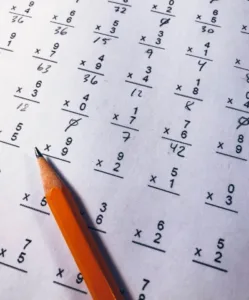
Practising past exam papers is one of the most effective ways to prepare for your A Level exams. It familiarises you with the exam format, the types of questions asked, and the level of detail required in your answers. Timing yourself while completing these papers can also help you improve your time management skills, ensuring that you can complete the exam within the allotted time. Reviewing your answers and understanding the marking schemes can provide valuable insights into where you can improve.
5. Teach Someone Else
Teaching is a powerful tool for learning. When you teach a concept to someone else, you are forced to understand it thoroughly and organise your thoughts clearly. This method also reveals any gaps in your knowledge. You can explain concepts to a study partner, a family member, or even just pretend to teach an imaginary class. The act of verbalising and simplifying complex ideas can enhance your understanding and retention of the material.

Effective revision is not just about the number of hours you put in but how you use that time. Active recall, spaced repetition, mind mapping, practising with past papers, and teaching others are all techniques that can help you revise more efficiently and effectively. By incorporating these strategies into your study routine, you can enhance your understanding, improve your memory retention, and increase your confidence heading into your A Level exams. Remember, the key is to find what works best for you and to stay consistent with your revision plan. Good luck!
*collaborative post