Nurture Your Child – Parenting is a journey full of joys, challenges, and responsibilities. One of the greatest rewards is seeing your child grow, not just physically, but emotionally and intellectually. However, nurturing a child’s growth requires more than just providing food and shelter; it involves creating an environment where they can thrive holistically.
Below, we explore ten proven strategies to support your child’s development. Whether through structured activities, fostering creativity, or introducing tools like the Grow With Me Swing and Hammer Bench Toy, these strategies will help you guide your child toward their full potential.

Nurture Your Child’s Physical and Emotional Growth
1. Encourage Physical Activity Through Play
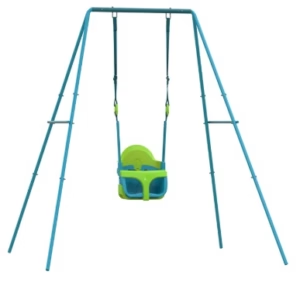
Physical activity is essential for healthy growth. It strengthens muscles and bones, improves coordination, and enhances overall well-being. Encouraging active play from an early age sets the foundation for a lifetime of healthy habits. Toys like the Grow With Me Swing are excellent for promoting physical development in a fun and engaging way. Swinging helps strengthen core muscles, improves posture, and enhances sensory processing.
Outdoor play also offers additional benefits. Activities like running, climbing, and riding bicycles foster gross motor skills and help children expend energy. Make time for daily outdoor play and consider organising games that involve physical movement.
2. Foster Creativity and Problem-Solving
Creative play is a gateway to cognitive and emotional development. When children use their imagination, they develop critical thinking skills and learn how to approach problems from different perspectives. Interactive toys like the Hammer Bench Toy provide opportunities to practise problem-solving while developing hand-eye coordination and fine motor skills.
You can further enhance creative play by introducing open-ended activities such as building with blocks, creating art, or engaging in make-believe scenarios. These activities stimulate brain development and encourage your child to explore their potential.
3. Establish Consistent Routines
Children thrive in structured environments where they know what to expect. Routines provide a sense of security and help regulate emotions. For example, having a consistent bedtime, meal schedule, and designated playtimes helps children feel safe and reduces anxiety.
However, it’s important to maintain flexibility within routines. As your child grows, their needs and interests will evolve, so be prepared to adapt schedules to accommodate new activities or milestones.
4. Support Emotional Intelligence
Emotional intelligence is the ability to understand and manage one’s emotions, as well as empathise with others. Teaching your child to identify and express their feelings in healthy ways is a crucial part of their emotional growth.
For example, if your child becomes frustrated while playing with the Hammer Bench Toy, use the moment as a teaching opportunity. Acknowledge their feelings, help them articulate the problem, and guide them toward a solution.
Activities like role-playing, reading books about emotions, and discussing daily experiences are great ways to build emotional intelligence. By validating your child’s emotions and encouraging empathy, you lay the groundwork for healthy relationships and resilience.
5. Make Reading a Daily Habit
Reading is one of the most effective ways to support cognitive and language development. Reading aloud to your child improves vocabulary, listening skills, and comprehension. Interactive books with textures, flaps, or sounds can capture a child’s attention and make storytime more engaging—similar to the tactile stimulation offered by the Hammer Bench Toy.
As your child grows, encourage them to read independently. Take trips to the library to discover new books and discuss stories together to enhance critical thinking. Making reading a daily habit also strengthens the parent-child bond, creating a routine that nurtures connection and learning.
6. Provide Nutritious Meals and Snacks
A balanced diet is crucial for physical and mental development. Children require a variety of nutrients to support growth, energy levels, and brain function. Ensure their diet includes fruits, vegetables, whole grains, lean proteins, and healthy fats. Snacks can also be nutritious, such as yoghurt, nuts, or sliced vegetables with hummus.
Involve your child in meal preparation to teach them about healthy eating habits. For instance, let them help chop vegetables or measure ingredients. This not only builds life skills but also increases their interest in trying new foods.
7. Encourage Social Interaction
Social skills are fundamental to emotional and behavioural growth. Encourage your child to interact with peers through playdates, group activities, or team sports. Toys like the Grow With Me Swing can be used in shared settings, teaching children about sharing, cooperation, and turn-taking.
Model positive social behaviours yourself by using polite language, showing empathy, and resolving conflicts calmly. Role-playing scenarios, such as pretending to meet new friends or taking turns, can also prepare your child for real-life social situations.
8. Introduce Educational Toys
Toys that promote learning and development can be both fun and beneficial. The Hammer Bench Toy, for example, introduces concepts like colour recognition, sequencing, and spatial awareness while enhancing fine motor skills. Educational toys often spark curiosity and encourage children to explore new ideas in a hands-on way.
Opt for toys that grow with your child. The Grow With Me Swing, for instance, is adjustable, making it suitable for children as they advance through different developmental stages. Selecting toys that adapt to your child’s abilities ensures they remain engaged and challenged over time.
9. Be a Positive Role Model
Children learn by observing their parents and caregivers. Demonstrating healthy behaviours, such as maintaining a balanced lifestyle, practising patience, and showing kindness, provides your child with a blueprint for how to act.
For instance, let your child see you reading books, exercising, or spending time on hobbies. Displaying emotional regulation—such as staying calm during stressful situations—teaches them how to manage their own emotions effectively.
10. Celebrate Milestones and Efforts
Recognising and celebrating your child’s achievements, both big and small, boosts their self-esteem and motivates them to keep learning. Whether it’s taking their first swing on the Grow With Me Swing or mastering the Hammer Bench Toy, acknowledging their progress reinforces a positive attitude toward growth.
Focus on effort rather than results. For example, praise your child for trying a new activity or persevering through a challenge. This helps develop a growth mindset, where they value learning and improvement over immediate success.
Creating a Balanced Environment for Growth
Nurturing a child’s growth is a multifaceted process that requires patience, dedication, and the right resources. By combining active play, emotional support, consistent routines, and educational tools like the Grow With Me Swing and Hammer Bench Toy, you can provide a well-rounded environment for your child to thrive.
Remember, every child is unique. Celebrate their individuality, and adjust these strategies to suit their specific needs and interests. The moments you invest in their development today will contribute to their confidence, resilience, and overall happiness in the future.